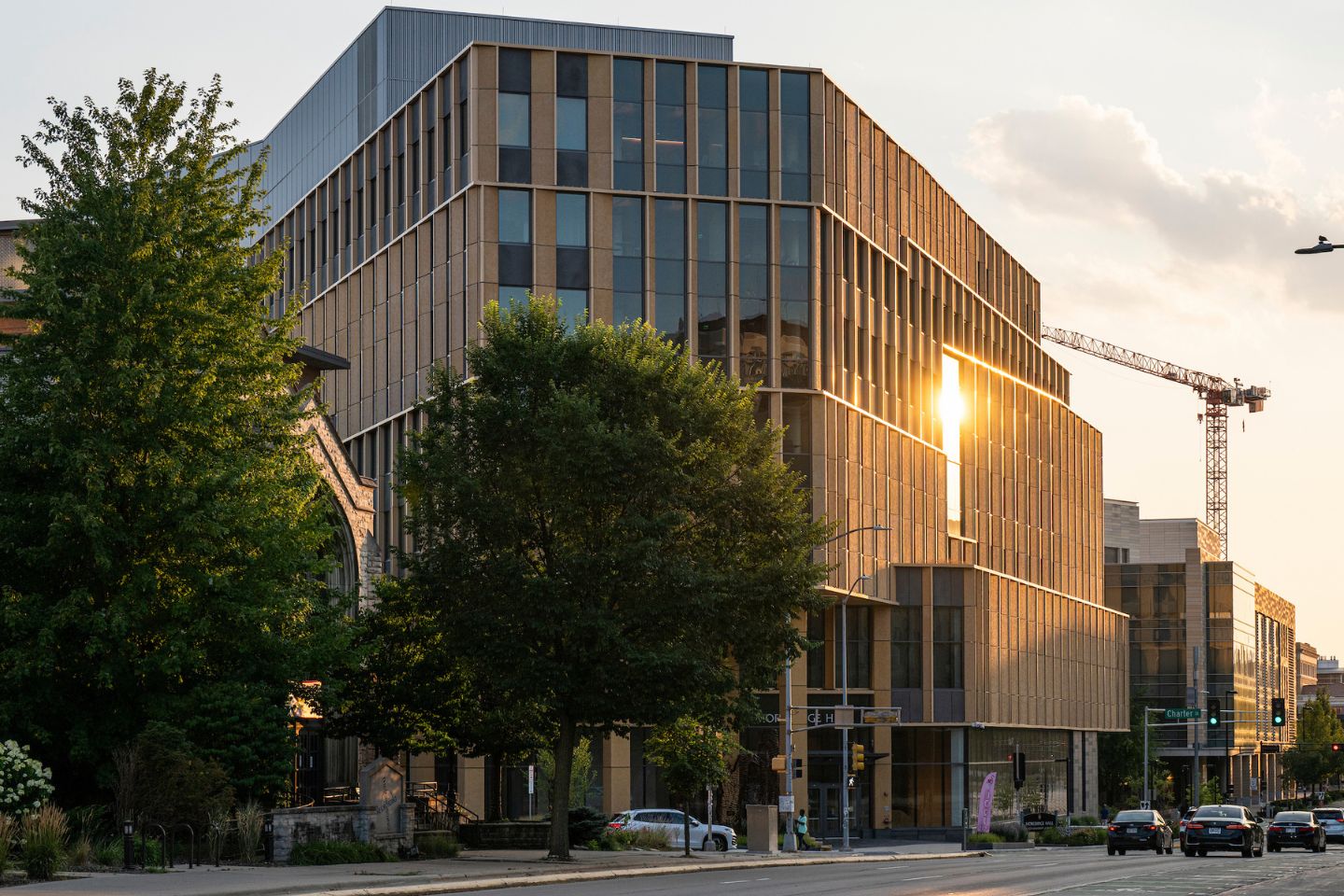
Centers, Groups & Labs
Information School faculty and graduate students conduct interdisciplinary research at the intersection of information, people, and technology. We host several research groups across areas including science of science, human-computer interaction, library and information studies, cybersecurity and human-centered data privacy.
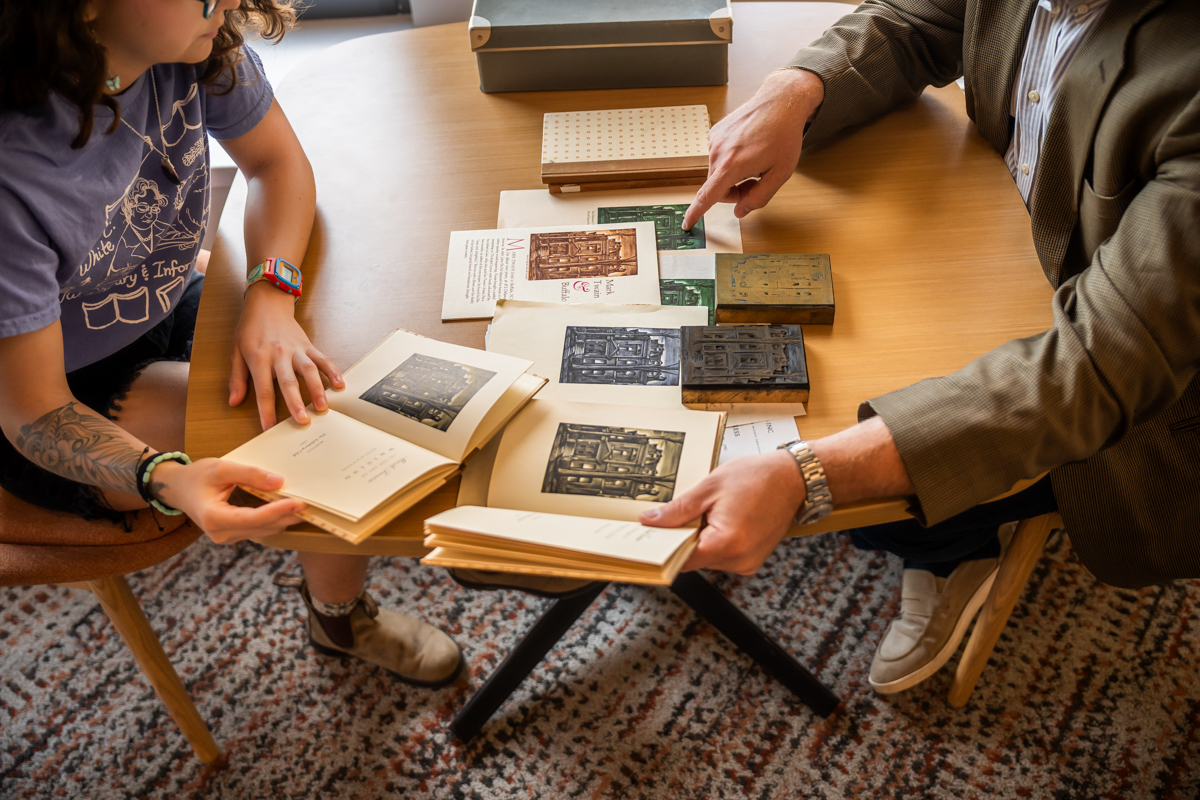
Center for the History of Print and Digital Culture
Director: Jonathan Senchyne
Since 1992, the Center for the History of Print and Digital Culture has promoted the interdisciplinary study of text, technology, and culture.
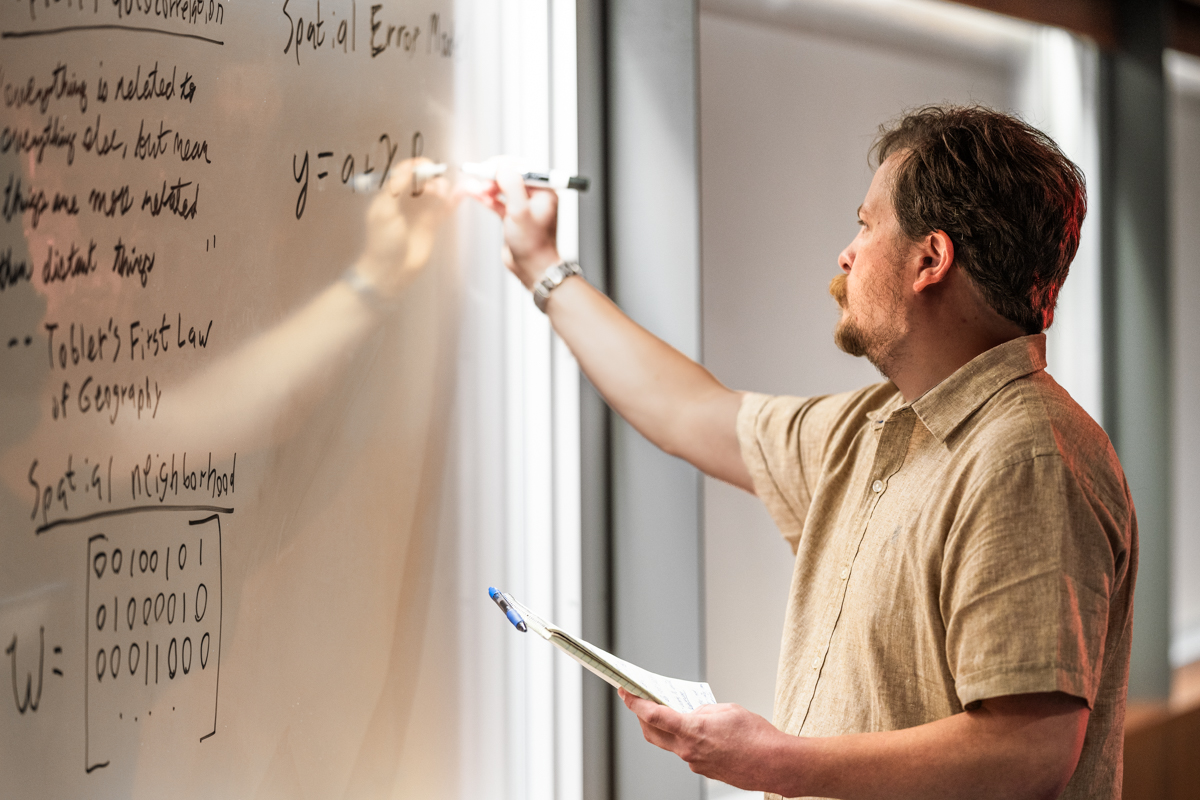
Collaborative Computing Group
Co-PIs: Corey Jackson, Jacob Thebault-Spieker, Adam Rule
The Collaborative Computing Group (MadCollab) harnesses the power of collaborative research and cutting-edge computing technologies to address pressing challenges in today’s digital age.
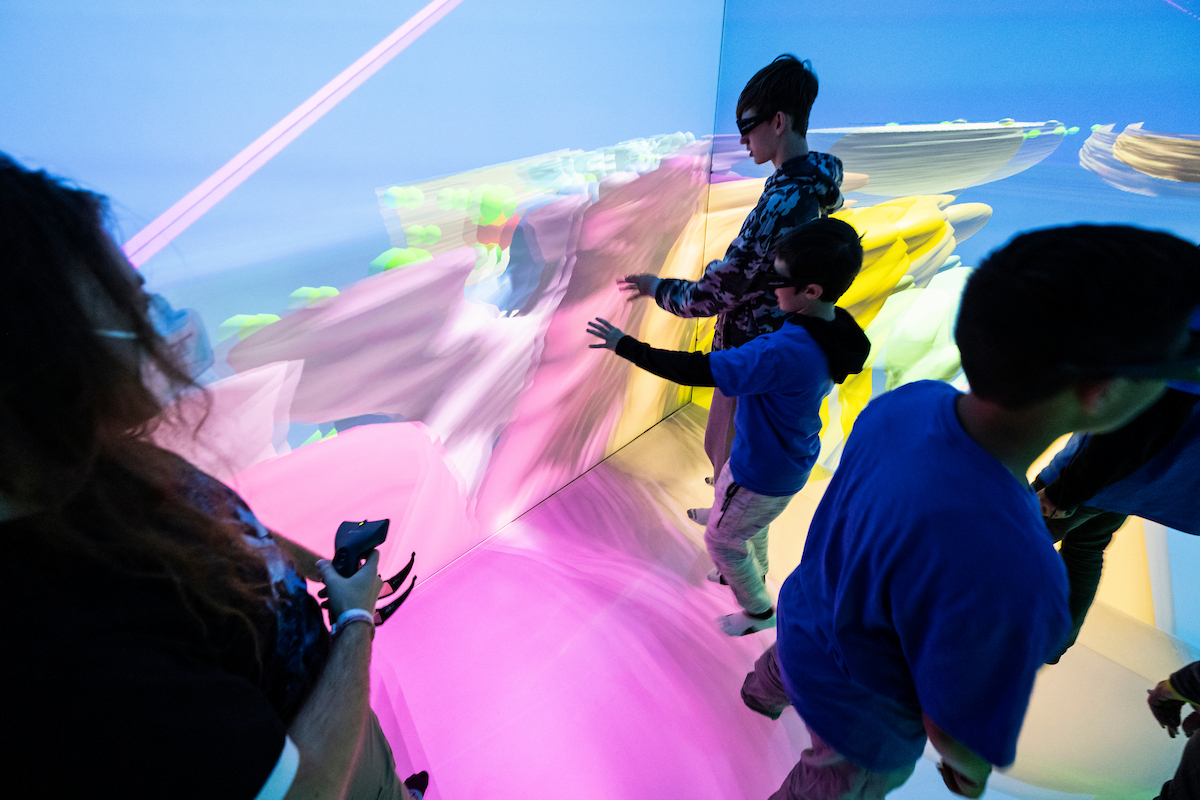
Digital Youth Research Group
PI: Rebekah Willett
Professor Willett’s group conducts research on children’s media cultures, focusing on issues of gender, play, literacy, and learning.

Information Quality Lab
PI: Jodi Schneider
The Information Quality Lab studies the science of science, bibliographic information retrieval, and how evidence-based arguments are used in scholarship and in public discourse.
Metascience Research Lab
Co-PIs: Ian Hutchins, Chaoqun Ni
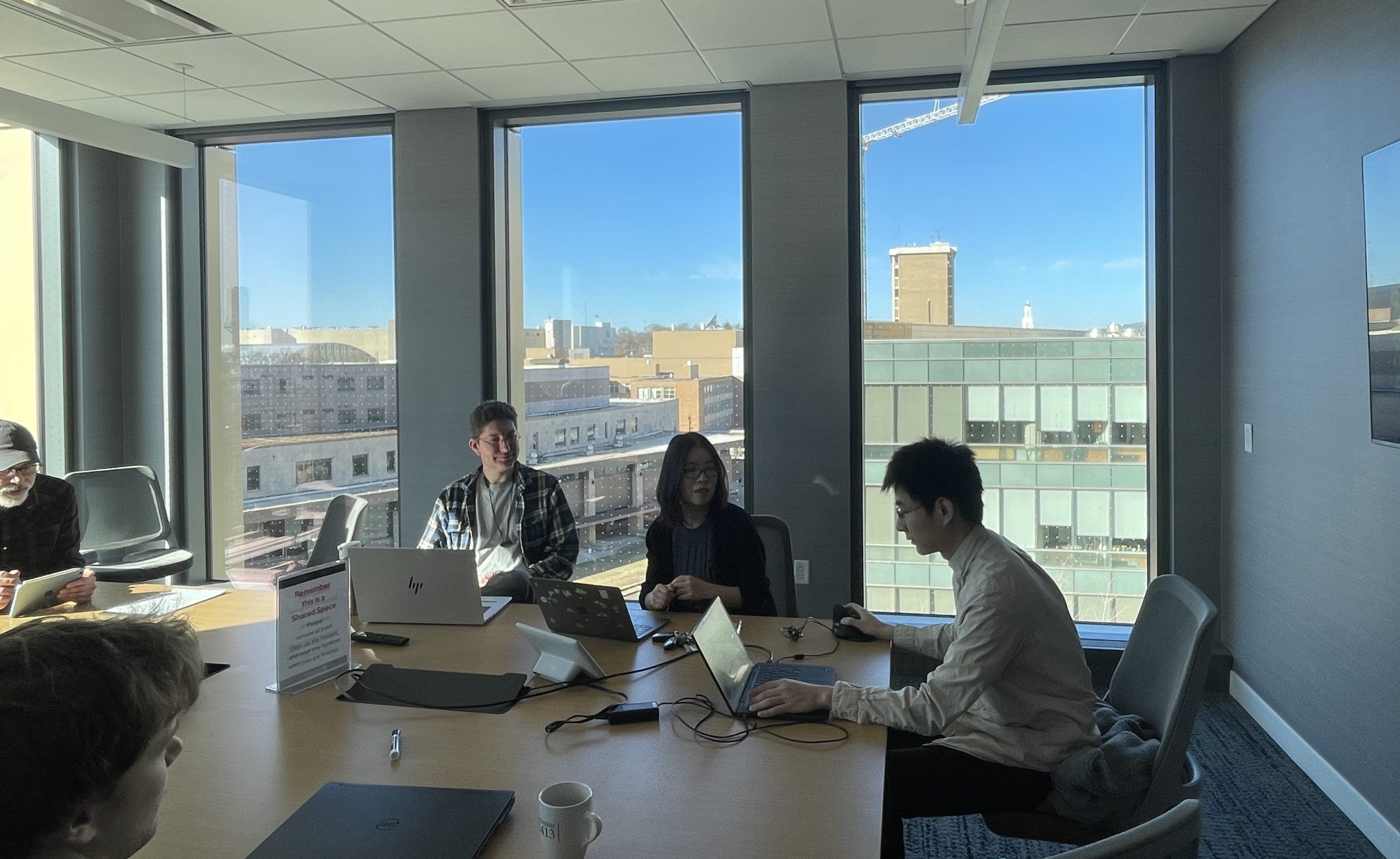
The Metascience Research Lab uses large-scale data and policy-aware analysis to understand scientific discovery, research careers, scholarly credit, biomedical translation, and knowledge transfer.
WHiSPR Lab
Co-PIs: Emilee Rader, Rick Wash
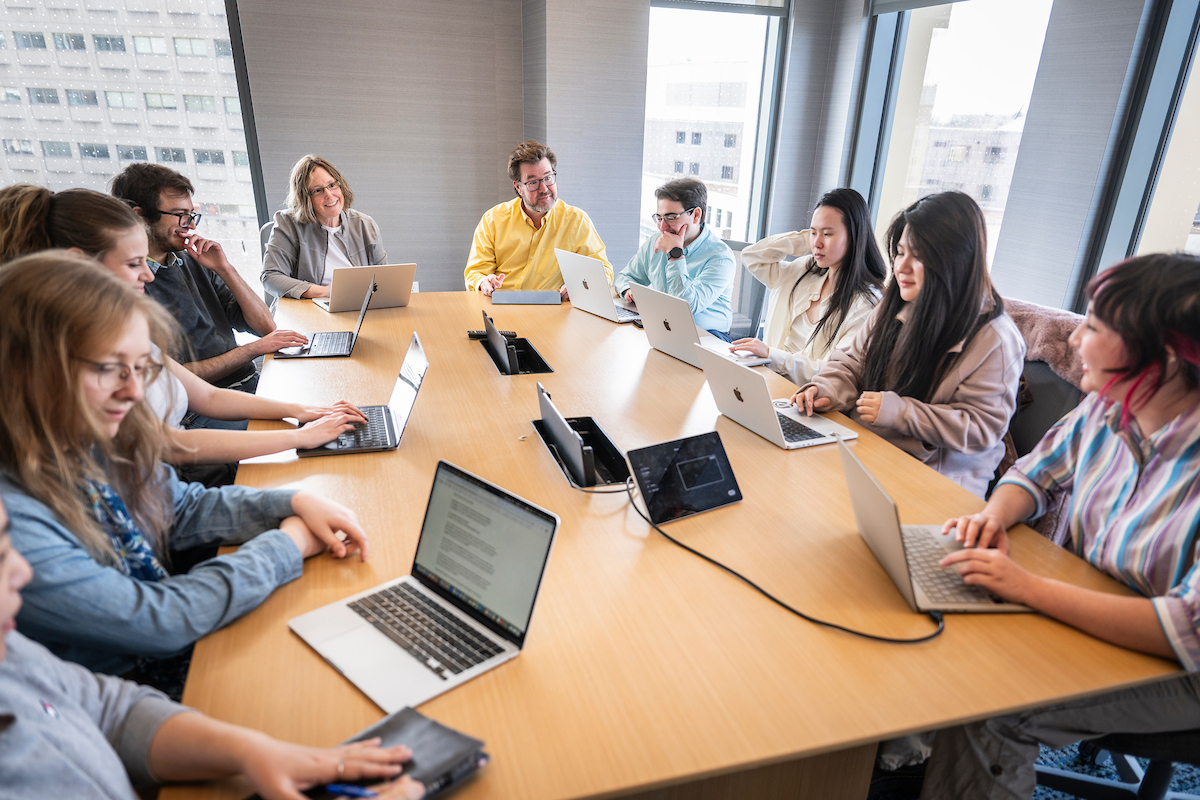
The WHiSPR Lab (Wisconsin Humans in Security and Privacy Research) conducts research to understand how people interact with security and privacy technologies and to design better systems that support human needs.
For a full list of faculty research interests, visit the Research Areas page.