Tech Crash Courses: From Exploration to Implementation
Join us for the latest edition of Tech Crash Courses as we examine best practices for implementing AI at work, copyright considerations, and developing policy around AI. Hear from practitioners in the field as they offer practical guidance, critical insights, and real-world examples. Whether you’re just beginning to explore generative tools, experimenting with applications, or reevaluating the role of AI in your organization, there’s a session to fit your needs.
Each webinar will be streamed live with human generated captions. Recordings, complete with captions, will be available to registered attendees for 60 days.
- The Next Chapter: AI for Information Professionals, Feb 4, 12-1 PM CDT
- Teaching, Learning, and Researching with AI: A Panel Discussion, Feb 11, 12-1 PM CDT
- Copyright in the Age of AI, Feb 18, 12-1 PM CDT
- Collection Development in the Era of Generative AI: Action Steps and Strategies for Libraries, Feb 25,
12-1 PM CDT - AI as a Tool: Local Models and Real Library Workflows, Mar 4, 12-1 PM CDT
When: Thursdays, February 4 – March 5 from 12:00-1:00 PM CST
Where: Online, Zoom Webinar
Cost: $60 per webinar or $240 when you register for all five webinars. WiLS members can save even more!
Register by February 2, 2027, for the series discount.
Program #: 3328-27
The Next Chapter: AI for Information Professionals
Leah Ujda, UX Professor of Practice, College of Computing & Artificial Intelligence
February 4, 2027, 12:00-1:00 PM CST
Navigate the rise of AI with purpose and agency. This interactive session explores how library and information professionals can leverage AI across internal operations as well as patron facing services. We’ll discuss how to bridge user mental models and evaluate real-world capability frameworks. Session participants will leave with practical strategies to launch low-risk pilots and craft human-centered AI policies.

Leah Ujda is a UX Professor of Practice at UW–Madison’s College of Computing and AI. A UW–Madison MLIS graduate, her career spans digital libraries, user experience leadership, and higher education. Leah specializes in human-centered design, user-centered innovation, and preparing information professionals to navigate evolving technologies.
Teaching, Learning, and Researching with AI: A Panel Discussion
UW–Madison Faculty
February 11, 2027, 12:00-1:00 PM CST
In the current age of AI students are inundated with the latest and greatest AI tools. What does that mean for teaching and learning? How can we set students up for success? Join UW–Madison Information School faculty as they discuss the impact AI has had in the classroom and how they are approaching AI when it comes to learning and research.
- Jacqueline Brixey, Assistant Professor, UW–Madison Information School
- Dane Leigh Gogoshin, Visiting Assistant Professor, UW–Madison Information School
- David McHugh, Teaching Faculty III, Instruction Manager, UW–Madison Information School
Jacqueline “Lina” Brixey is a citizen of the Choctaw Nation of Oklahoma and a researcher whose work bridges artificial intelligence, language technology, and cultural preservation. She earned her PhD in Computer Science from the University of Southern California (USC) in 2024, and holds an MA in Linguistics, an MSc in Computer Science, and dual Bachelor’s degrees in Journalism and International Studies. Her interdisciplinary research is rooted in a deep respect for Indigenous knowledge systems and a commitment to ethical, community-centered design. Her work focuses on creating culturally appropriate artificial intelligence tools that support the revitalization of Indigenous and endangered languages. Her work illustrates the power of technology to support cultural resilience and sovereignty in the digital age.

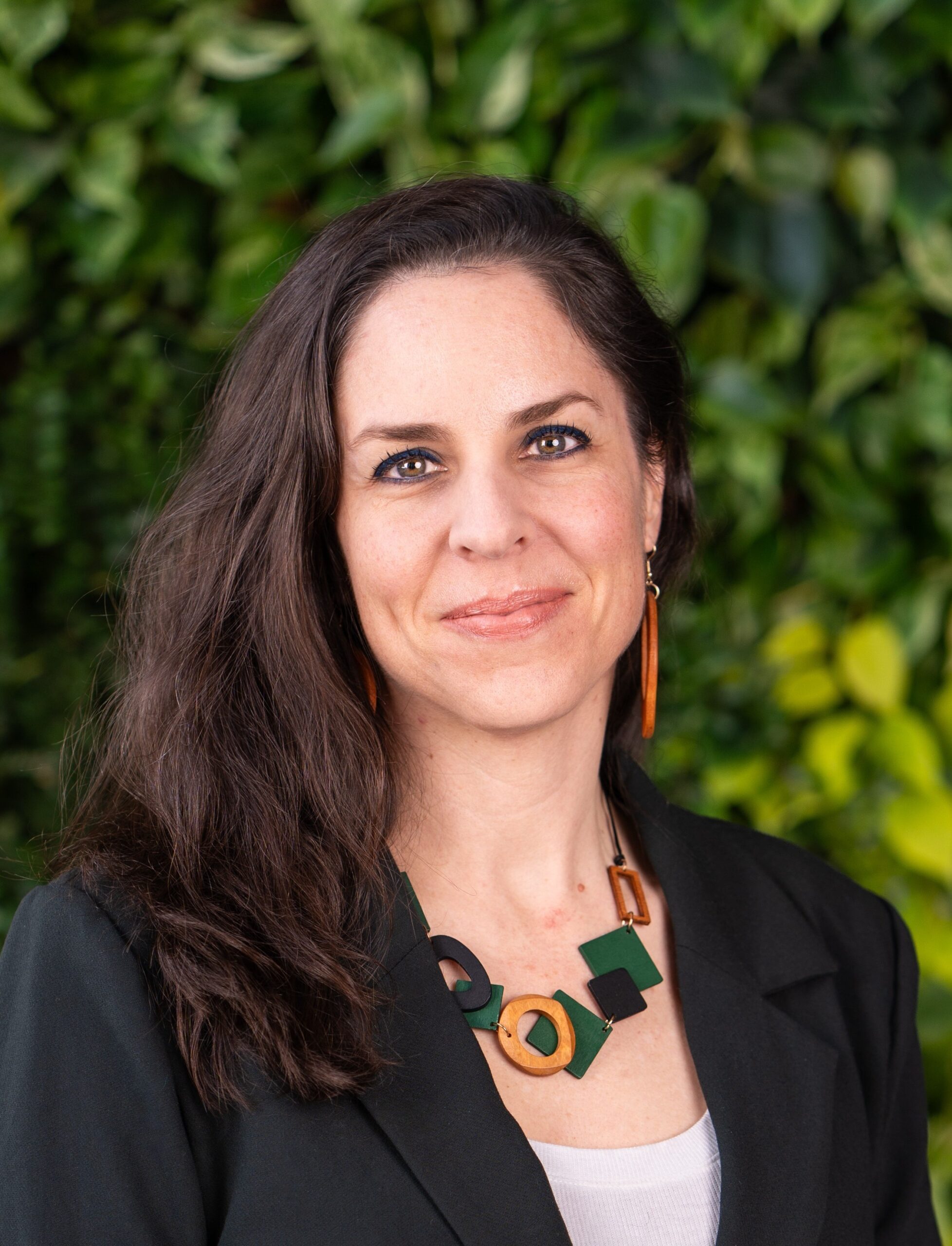
Dane Gogoshin is a third year visiting assistant professor of philosophy at the Information School at the University of Wisconsin–Madison, where she teaches courses on data and AI ethics. From 2020 to 2024, she was a researcher in the ethics of technology, especially social robotics and AI, with the RADAR Group at the University of Helsinki. She has a wide range of philosophical interests, but focuses primarily on questions of agency and moral responsibility in traditional and technological contexts.
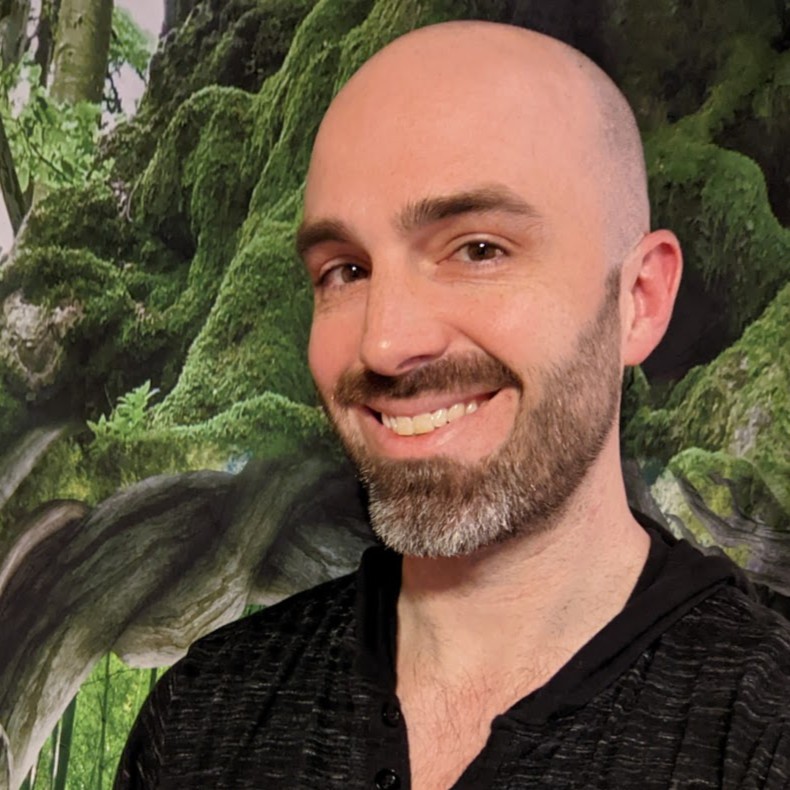
David McHugh is an Instruction Manager & Teaching Faculty member at the UW–Madison Information School, where he supervises lecturers and teaches future information professionals. He created one of the university’s first courses on the use and critique of generative AI. In and beyond campus, he has led AI sessions for faculty, librarians, and more. Previously, he held roles in library, ed-tech, and leadership for the Wisconsin Department of Public Instruction, culminating as director of an instructional technology team. David has an MA in Library & Information Studies from UW–Madison, with additional graduate studies in the design of interactive learning experiences. He is a co-founder of the Play Make Learn conference and co-chair of the GEE! Learning Game Awards.
Copyright in the Age of AI
Sierra Whitfield, Copyright and Fair Use Librarian, Texas A&M University
February 18, 2027, 12:00-1:00 PM CST
Explore how U.S. copyright law is wrestling with the rise of artificial intelligence. Using real-world examples and case studies, we will examine key legal developments related to training AI on copyrighted works and the emerging questions about whether, and when, AI-generated content can be protected by copyright. Along the way, we’ll unpack the practical implications for libraries, instructors, and students who are incorporating AI tools into teaching, research, and learning.
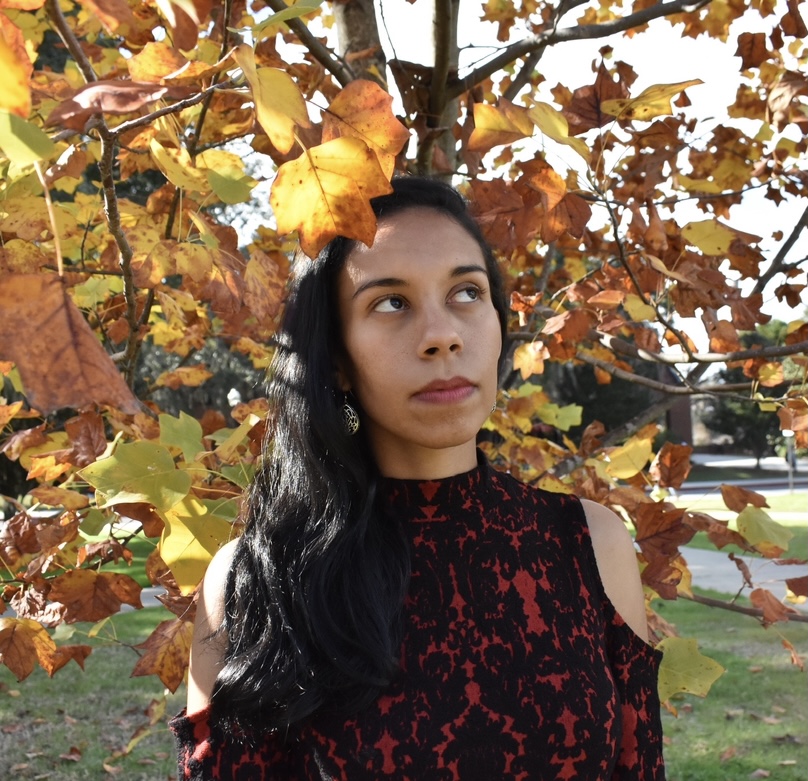
Sierra Whitfield is the Copyright and Fair Use Librarian at Texas A&M University, where she helps faculty, students, and staff navigate the often-intimidating world of copyright. With over six years of experience, she advises on how copyright intersects with higher education, reviews publisher contracts, tackles complex copyright questions, and closely follows the rapidly evolving copyright legal landscape, especially in the age of AI. When she isn’t reading court opinions, she’s likely camping, hiking, or finding any excuse to be out in the great outdoors.
Collection Development in the Era of Generative AI: Action Steps and Strategies for Libraries
Cecelia Cole, Resource Sharing and Collection Consultant, IFLS Library System
February 25, 2027, 12:00-1:00 PM CST
Artificial intelligence is having a major impact in libraries by creating challenges in selecting quality materials for library collections. As generative AI technology rapidly changes, libraries must respond to these challenges to protect the integrity of collections and uphold the library’s mission, values, and credibility as a trusted resource in our communities.
This session will explore strategies for collection development in the age of generative AI, including:
- Developing and updating guidelines, policies, procedures, and resources for ongoing direction and support
- Increasing awareness among library staff, patrons, and stakeholders
- Utilizing training and policies to help facilitate selection of quality materials
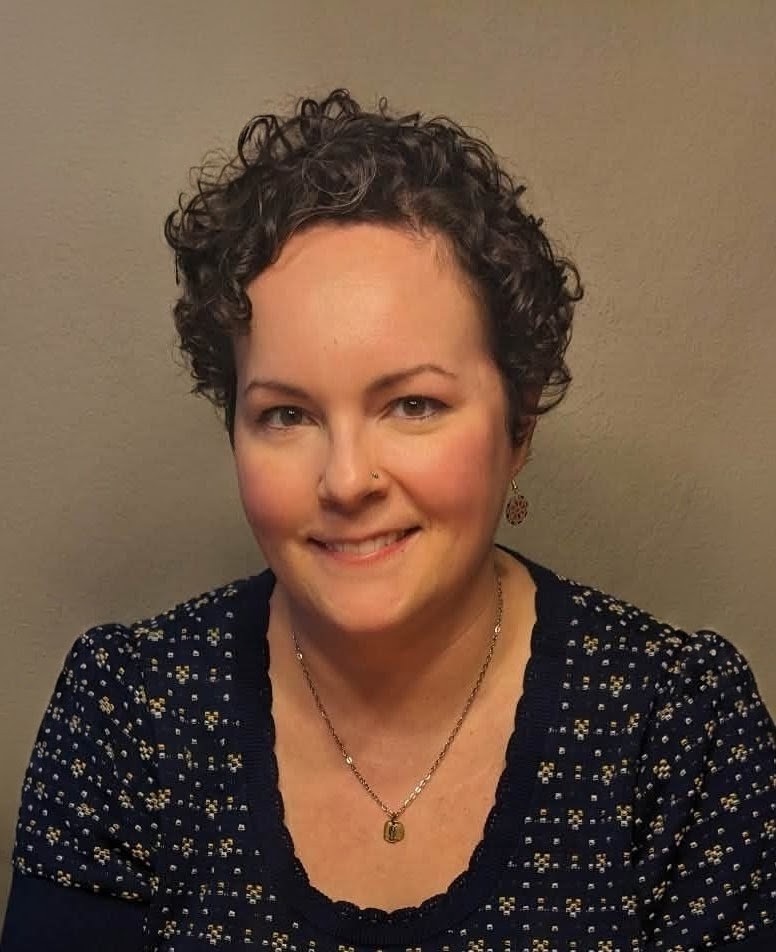
Cecelia Cole (she/her) is a Resource Sharing and Collection Consultant with IFLS Library System. Before joining IFLS, she was an Academic Librarian at UWEC-Barron County and earned her MLIS degree from UW–Madison. Her collection development work with IFLS focuses on assisting public libraries with professional best practices, collection analysis, policies, and intellectual freedom.
AI as a Tool: Local Models and Real Library Workflows
Derek Brown, Director of Information Technology, Rochester Hills Public Library
March 4, 2027, 12:00-1:00 PM CST
Join Rochester Hills Public Library as we share how we put AI to work for library staff in two ways: tools with an AI model inside them, and everyday tools that AI helped us build. Before a single tool went live, our Board of Trustees approved two institutional AI policies, and those policies guide how staff use every tool today.
You’ll see why showing staff the source behind every answer is what earned their trust. You’ll also learn how to weigh locally hosted models against cloud services, how to choose a first project using the platforms your library already has, and how to build staff adoption without mandating any tool.
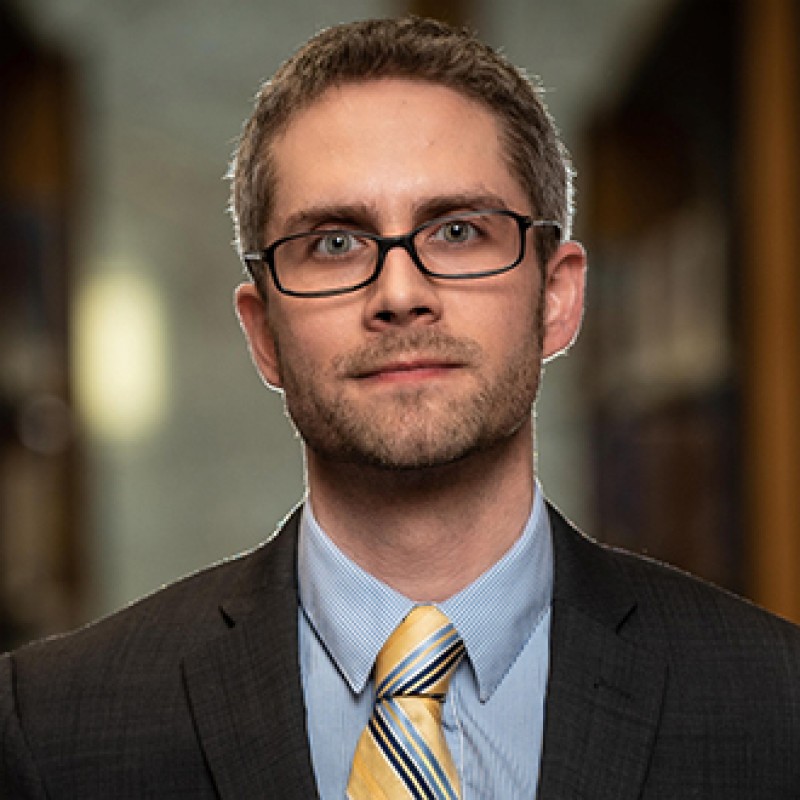
Derek Brown is Director of Information Technology at Rochester Hills Public Library, which serves the largest public library service population in Oakland County, Michigan. Since 2012 he has led RHPL’s technology strategy, cybersecurity, and infrastructure, combining long-range planning with hands-on implementation. His recent work focuses on moving AI from policy into practical library operations, including institutional AI governance, locally hosted models, cloud services, and staff tools built around real workflows. In 2026 RHPL received the Clarivate Library Innovation Award for its child-centered Kids Catalog built with Vega Discover.
Accessibility
Real-time live captions (not computer-generated) will be provided for all virtual sessions. Attendees can access these captions through Zoom or the provide Stream Text URL. The Stream Text URL will also allow attendees to change the font type and size as needed.
All webinar recordings will also have closed captions available.
The Information School is committed to creating an inclusive and accessible event. If you need a reasonable accommodation, please contact the iSchool CE Team at
ce-info@ischool.wisc.edu at least two weeks in advance of the conference. We will attempt to implement late requests but cannot guarantee they will be met.